2026-09-15 ·
Maintaining Epoxy Floors During Plano's Humid Spring and Fall Months
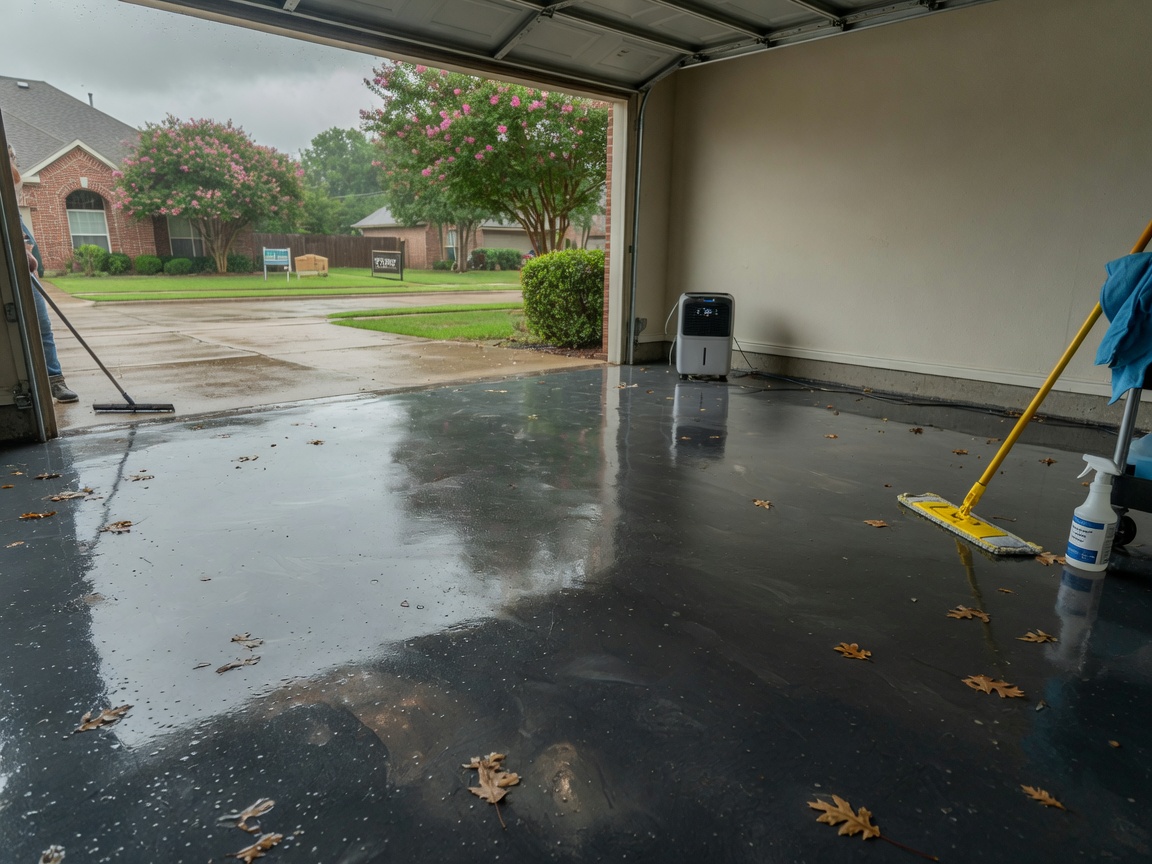
Epoxy garage floors in Plano hold up best when inspected and cleaned every 4–6 weeks during the humid stretches of spring and fall, before moisture from Collin County storms can lift edges or cloud the surface.
Moisture Patterns in Plano Springs and Falls
Plano experiences rising humidity in March through May and again in September through November as Gulf moisture mixes with occasional severe storms. These conditions differ from the drier winters and the intense heat of summer, allowing water vapor to penetrate hairline cracks in older concrete slabs common in Downtown Plano and East Plano homes. West Plano and Legacy West neighborhoods often feature newer construction with better initial vapor barriers, yet even there, prolonged dampness after a storm can soften the bond between epoxy and concrete. Mild winter temperatures rarely freeze the ground, but the transitional humidity creates repeated expansion and contraction cycles that stress the coating. Residents near Legacy Town Center or Oak Point Park notice these effects faster because afternoon thunderstorms deliver sudden moisture loads that linger in shaded garages.
Daily and Weekly Cleaning Steps
Sweep or blow debris daily to prevent grit from grinding into the surface during humid periods when the floor stays slightly tacky. Use a neutral pH cleaner diluted in warm water once a week, applying it with a microfiber mop and removing all residue before it dries in the humid air. Avoid acidic or alkaline cleaners that can etch the top layer when humidity slows evaporation. In Frisco and Richardson border homes, where pollen counts spike in spring, rinse the floor with a garden hose on low pressure after storms to clear fine particles that trap moisture. Always squeegee water toward the garage door rather than letting it pool near walls.
Monthly Inspections for Humidity Damage
Walk the entire floor monthly, checking for cloudy patches, soft spots, or lifted seams near expansion joints. Pay special attention to the 3–4 feet closest to the overhead door where storm-driven rain often blows inward. Note any new hairline cracks that appear after heavy rain, as these can allow vapor to reach the concrete-epoxy interface. Homeowners in Willow Bend with larger garages should divide the inspection into zones to ensure nothing is missed. Record dates and observations in a simple notebook so patterns tied to specific storm events become clear over two or three seasons.
When to Schedule Professional Touch-Ups
Small chips or edge lifts under 6 inches can often be repaired before they spread, using the same epoxy floor repair techniques applied during initial installation. If more than 10 percent of the surface shows haze or delamination after repeated humid spells, a polyaspartic topcoat application adds a moisture-tolerant layer that extends service life. These targeted services fit within normal business hours of Mon–Fri 8am–6pm and Sat 9am–2pm, allowing most Plano residents to schedule without disrupting workweeks. Linking these steps to the article on handling minor slab movement on epoxy garage floors in Plano helps owners understand when movement from seasonal moisture requires extra attention.
Seasonal Preparation Before Peak Humidity
Apply a fresh topcoat or re-seal high-traffic zones in late February and again in August so the coating cures fully before spring and fall rains arrive. Keep dehumidifiers running in attached garages during the first 48 hours after a storm to pull residual moisture from the slab. In neighborhoods like West Plano with mature trees, trim branches that shade the driveway to speed surface drying. These habits reduce the chance of needing full recoats every 8–12 years instead of the typical 12–15 years seen in drier climates.